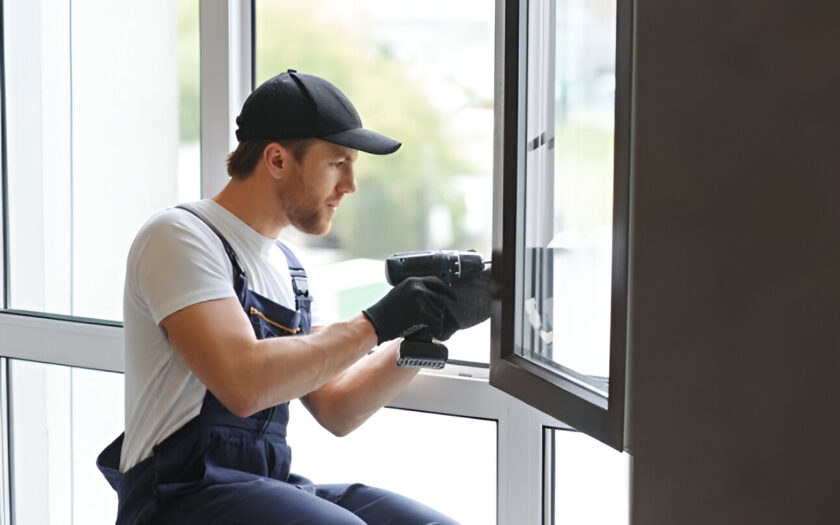
When your home’s windows start showing signs of wear, you’re probably searching for reliable solutions. Whether it’s drafts, condensation, or outdated styles, finding professional window replacement near me can transform your home’s comfort and value. This comprehensive guide walks you through everything you need to know about replacing your windows, from recognizing when it’s time for an upgrade to selecting the perfect contractor for your project.
Key Takeaways
Window replacement typically costs between $300-$1,000 per window depending on materials and installation complexity
Energy-efficient windows can reduce heating and cooling costs by 15-25% annually
Professional installation ensures proper sealing and warranty coverage
Local contractors offer faster service and better understanding of regional climate needs
Getting 3-5 quotes helps you find competitive pricing and quality service
Understanding When You Need Window Replacement
Knowing the right time to replace your windows saves you money and prevents further damage to your home. Several telltale signs indicate it’s time to start your search for window replacement services.
Visible Damage and Deterioration
Cracks, chips, or broken panes compromise your home’s security and energy efficiency. Wood rot around window frames creates structural concerns that worsen over time. If you notice peeling paint, warped frames, or difficulty opening and closing windows, these issues signal that replacement might be more cost-effective than repeated repairs.
Rising Energy Bills
Old windows account for 25-30% of heating and cooling energy loss in homes. When you notice your energy bills climbing without explanation, inefficient windows could be the culprit. Single-pane windows or those with failing seals allow conditioned air to escape, forcing your HVAC system to work harder.
Condensation Between Panes
Moisture buildup between double or triple-pane windows means the seal has failed. This condensation can’t be cleaned and indicates the window has lost its insulating properties. Once this happens, the window won’t perform as intended, and replacement becomes necessary.
Types of Replacement Windows Available
Understanding your options helps you make informed decisions that match your home’s style and your budget. Different window types offer varying benefits for specific situations.
Double-Hung Windows
These classic windows feature two movable sashes that slide vertically. They’re popular because both sashes tilt inward for easy cleaning. Double-hung windows work well in traditional and contemporary homes, offering excellent ventilation control when you open both sashes simultaneously.
Casement Windows
Hinged on one side, casement windows swing outward using a crank mechanism. They provide unobstructed views and superior ventilation. Their tight seal when closed makes them highly energy-efficient, and they’re particularly effective in catching side breezes.
Sliding Windows
Operating horizontally on tracks, sliding windows suit modern aesthetics and areas with limited exterior space. They’re easy to operate, require minimal maintenance, and work exceptionally well in rooms where you want wide, uninterrupted views.
Bay and Bow Windows
These projecting window styles create additional interior space while flooding rooms with natural light. Bay windows typically feature three panels at angles, while bow windows curve gently with four or more panels. Both options add architectural interest and can increase your home’s value.
Material Options for Your New Windows
The material you choose affects durability, maintenance requirements, energy efficiency, and overall cost. Each option brings distinct advantages to consider.
Vinyl Windows
Vinyl dominates the replacement window market due to its affordability and low maintenance needs. These windows resist moisture, never need painting, and offer good insulation properties. Modern vinyl windows come in various colors and styles, though color options may be more limited than other materials.
Wood Windows
Traditional wood windows provide timeless beauty and excellent insulation. They’re highly customizable through staining or painting. However, wood requires regular maintenance to prevent rot and weather damage. Many homeowners choose wood-clad windows that combine wood interiors with vinyl or aluminum exteriors.
Fiberglass Windows
Though pricier upfront, fiberglass windows offer superior strength and durability. They resist warping, expand and contract minimally with temperature changes, and can be painted. Their longevity and energy efficiency often justify the higher initial investment.
Aluminum Windows
Lightweight and strong, aluminum windows work well in modern architectural designs. They’re less energy-efficient than other materials unless manufactured with thermal breaks. Aluminum excels in coastal environments where salt air might damage other materials.
Finding Reputable Window Replacement Contractors
Selecting the right contractor ensures quality installation and long-term satisfaction. Taking time to research and compare options protects your investment.
Research and Verify Credentials
Start by checking online reviews on platforms like Google, Yelp, and the Better Business Bureau. Look for contractors with consistent positive feedback and professional responses to any negative reviews. Verify they hold proper licensing and insurance coverage for your area.
Request Multiple Quotes
Contact at least three different contractors for detailed estimates. Quality quotes should itemize materials, labor, disposal fees, and warranty information. Be wary of quotes that seem significantly lower than others—they might indicate corners being cut or hidden fees appearing later.
Ask Essential Questions
Inquire about experience with your specific window type and home style. Request references from recent projects similar to yours. Ask how they handle unexpected issues like hidden rot or structural problems. Understanding their warranty terms and what they cover helps prevent future disputes.
Check Portfolio and References
Review before-and-after photos of completed projects. Contact provided references to ask about their experience, including punctuality, cleanliness, and problem resolution. Visiting an active job site can reveal how the crew works and maintains the workspace.
Cost Factors in Window Replacement
Understanding what influences pricing helps you budget effectively and avoid surprises. Multiple variables affect your total investment.
Window Size and Style
Standard-sized windows cost less than custom dimensions. Simple styles like single-hung or sliding windows are more affordable than architectural options like bay windows. Specialty shapes or historical reproduction windows command premium prices.
Material and Glass Options
Basic vinyl windows with standard double-pane glass represent the most economical choice. Upgrading to Low-E coatings, argon gas fills, or triple-pane configurations increases costs but improves energy efficiency. Wood and fiberglass materials cost more than vinyl but offer different aesthetic and performance benefits.
Installation Complexity
First-floor installations cost less than upper-story work requiring scaffolding or lifts. Full-frame replacements that involve removing the entire window and frame cost more than insert replacements. Structural repairs discovered during installation add to expenses.
Geographic Location
Labor rates vary significantly by region and local market conditions. Urban areas typically charge more than rural locations. Contractor availability during peak seasons may affect pricing—scheduling during off-peak times might yield better rates.
Energy Efficiency and Window Performance
Modern windows dramatically improve home comfort while reducing utility costs. Understanding performance ratings helps you select windows that meet your needs.
Understanding U-Factor
The U-factor measures how well windows prevent heat from escaping. Lower numbers indicate better insulation—look for U-factors of 0.30 or less in cold climates. Energy Star certifies windows meeting efficiency standards for different climate zones.
Solar Heat Gain Coefficient
SHGC indicates how much solar radiation passes through windows. Lower numbers mean less heat transmission, beneficial in warm climates. Cold climates benefit from higher SHGC on south-facing windows to capture passive solar heating.
Visible Transmittance
This rating shows how much visible light passes through glazing. Higher numbers mean more natural light enters your home. Balancing visible transmittance with other performance factors creates comfortable, well-lit spaces without excessive heat gain.
Gas Fills and Coatings
Argon or krypton gas between panes enhances insulation better than air. Low-E coatings reflect infrared light while allowing visible light through, reducing heat transfer. These technologies significantly boost window performance with modest cost increases.
The Window Replacement Process
Understanding what happens during installation prepares you for the project timeline and temporary disruptions. Professional installers follow systematic procedures ensuring quality results.
Pre-Installation Preparation
Contractors measure existing windows precisely and order materials. You’ll receive installation schedules and preparation instructions. Clear window areas of furniture and decorations. Cover nearby items with drop cloths to protect from dust.
Removal of Old Windows
Installers carefully remove old windows, minimizing damage to surrounding walls. They inspect framing for rot, damage, or inadequate insulation. Any structural issues discovered get addressed before new window installation proceeds.
New Window Installation
Proper installation involves leveling, securing, and sealing windows according to manufacturer specifications. Installers use shims to ensure perfect alignment. They apply weatherproofing materials and insulation around the frame to prevent air and water infiltration.
Final Inspection and Cleanup
After installation, test windows to ensure smooth operation and proper locking. Verify caulking and trim work meet quality standards. Professional crews remove all debris and old windows, leaving your home clean.
Maintenance Tips for Long-Lasting Windows
Proper care extends window lifespan and maintains peak performance. Simple maintenance routines prevent problems and preserve your investment.
Regular Cleaning Practices
Clean glass surfaces with mild soap and water or specialized glass cleaners. Avoid abrasive materials that scratch protective coatings. Clean window tracks and sills to prevent dirt buildup that impedes operation. Lubricate moving parts annually with silicone spray.
Seasonal Inspections
Check weatherstripping and caulking twice yearly for gaps or deterioration. Inspect for condensation between panes indicating seal failure. Look for water stains on walls or sills suggesting leaks. Address minor issues promptly before they become major problems.
Hardware Maintenance
Tighten loose screws and adjust mechanisms as needed. Replace worn weatherstripping to maintain energy efficiency. Keep drainage holes clear on sliding windows to prevent water accumulation. Test locks periodically to ensure home security.
Maximizing Your Window Replacement Investment
Smart planning and informed decisions ensure you get the best value from your window replacement project. Consider both immediate needs and long-term benefits.
Timing Your Project Strategically
Schedule installations during mild weather when possible. Off-season scheduling may offer better pricing and availability. However, don’t delay necessary replacements that compromise home comfort or allow damage to worsen.
Exploring Financing and Incentives
Many contractors offer financing options making projects more affordable. Research federal, state, and utility company rebates for energy-efficient window installations. These incentives can significantly reduce your out-of-pocket costs while encouraging environmentally responsible choices.
Planning for Whole-House Replacement
Replacing all windows simultaneously costs less per window than phased approaches. You’ll experience consistent performance and appearance throughout your home. However, if budget constraints exist, prioritize windows with the worst condition or greatest energy loss.
Choosing the Right Professional for Your Project
Selecting a qualified contractor marks the difference between a smooth experience and a frustrating one. Your due diligence pays dividends through quality workmanship and reliable service. Professional installation includes proper weatherproofing, structural adjustments when needed, and warranty support. Local contractors understand regional climate challenges and building codes specific to your area. They’re accessible for warranty service and have reputations to maintain within the community. Established companies invest in ongoing training, ensuring crews stay current with installation best practices and new product technologies.
How long does window replacement typically take?
Most single window installations take 30-60 minutes, so replacing windows in an average home usually completes in 1-3 days depending on the number of windows and any complications discovered during installation.
Can I replace windows myself to save money?
While DIY installation is possible, improper installation voids warranties and can lead to air leaks, water damage, and poor performance. Professional installation ensures proper sealing and structural integrity worth the investment.
Will new windows really lower my energy bills?
Yes, Energy Star certified windows can reduce heating and cooling costs by 15-25% annually. The exact savings depend on your current windows’ condition, climate, and energy costs in your area.