A driveway is more than a functional surface—it is a defining feature of your property’s exterior. Paver driveway installation has become one of the most popular choices for homeowners seeking durability, beauty, and long-term value. Unlike traditional concrete or asphalt, paver driveways offer superior strength, customizable design options, and easier maintenance, making them an excellent investment for residential and commercial properties alike.
Whether you are building a new driveway or replacing an aging surface, understanding the benefits and process of paver driveway installation can help you make an informed decision.
What Is a Paver Driveway?
A paver driveway is constructed using individual paving stones made from concrete, brick, or natural stone. These pavers interlock to form a strong, flexible surface capable of handling vehicle traffic and changing weather conditions. Because each paver is placed individually, the finished driveway combines structural integrity with aesthetic appeal.
Paver driveways are available in a wide range of colors, shapes, sizes, and textures, allowing homeowners to create unique patterns that complement architectural styles and landscaping.
Benefits of Paver Driveway Installation
One of the biggest advantages of paver driveway installation is durability. Pavers are designed to withstand heavy loads and resist cracking caused by ground movement or temperature fluctuations. This makes them especially suitable for regions with freeze-thaw cycles or shifting soil conditions.
Another key benefit is visual appeal. Paver driveways significantly enhance curb appeal, creating a polished and upscale look. Custom patterns such as herringbone, basket weave, and running bond allow for creative design flexibility that standard driveways cannot match.
Paver driveways are also low maintenance. If a paver becomes stained or damaged, it can be removed and replaced individually without disturbing the rest of the surface. This is far more cost-effective than repairing large cracks in concrete or resurfacing asphalt.
Preparing for Paver Driveway Installation
Proper preparation is critical to the success and longevity of a paver driveway. The process begins with site evaluation and planning. Professionals assess soil conditions, drainage requirements, slope, and driveway dimensions to ensure a stable foundation.
Excavation is the next step. Existing materials such as grass, dirt, or old pavement are removed to create space for the base layers. This stage is essential for preventing future settling or shifting.
Once excavation is complete, a compacted base of crushed stone or gravel is installed. This base provides structural support and promotes proper drainage. A layer of bedding sand is then added and leveled to create a smooth surface for paver placement.
The Paver Installation Process
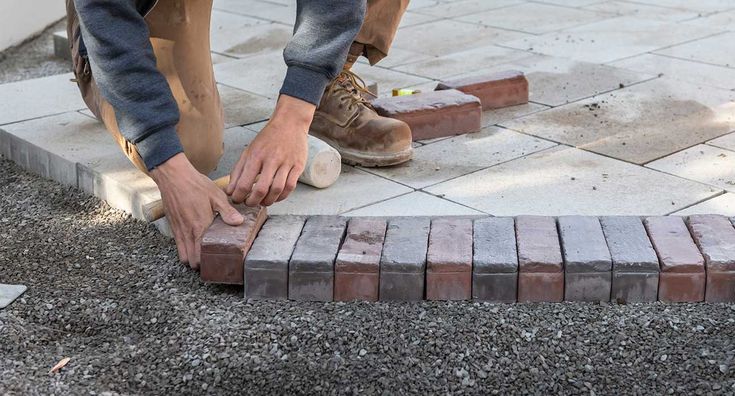
After the base is prepared, paver driveway installation moves to the placement phase. Pavers are carefully laid according to the chosen pattern, ensuring consistent spacing and alignment. Precision at this stage ensures both strength and visual symmetry.
Edge restraints are installed along the perimeter to keep pavers securely in place and prevent spreading over time. Once all pavers are set, joint sand is swept into the gaps between them. This sand locks the pavers together and enhances overall stability.
The driveway is then compacted to settle the pavers into the bedding layer. Additional joint sand may be applied to fill any remaining gaps. The result is a solid, interlocking surface ready for use.
Drainage and Longevity Considerations
Drainage is a crucial aspect of paver driveway installation. Proper grading ensures that water flows away from your home and does not pool on the surface. Many paver systems are designed to be permeable, allowing water to drain through the joints and into the ground below.
This drainage capability reduces runoff, minimizes erosion, and helps protect surrounding landscaping. In areas prone to heavy rain or snow, effective drainage significantly extends the lifespan of the driveway.
With correct installation and minimal maintenance, a paver driveway can last several decades, outperforming traditional paving materials.
Design Options and Customization
One of the most appealing aspects of paver driveway installation is the ability to customize the design. Homeowners can choose from a variety of materials, including concrete pavers for versatility, brick pavers for classic charm, or natural stone for a high-end appearance.
Color selection allows the driveway to complement exterior paint, roofing, and landscaping. Borders and accent pavers can be added to create contrast and visual interest. These design elements transform a driveway into a statement feature that enhances overall property aesthetics.
Maintenance and Care
Maintaining a paver driveway is relatively simple. Regular sweeping and occasional rinsing help keep the surface clean. Sealing the pavers can enhance color, protect against stains, and reduce weed growth in the joints.
Weeds, if they appear, are typically easy to remove and can be minimized with proper joint sand and sealing. Periodic inspection ensures that any shifting or minor issues are addressed early, preserving the driveway’s integrity.
Compared to asphalt, which requires frequent sealing, or concrete, which can crack over time, paver driveways offer long-term reliability with less intensive upkeep.
Cost and Value of Paver Driveway Installation
While the initial cost of paver driveway installation may be higher than asphalt or basic concrete, the long-term value often outweighs the upfront investment. Reduced maintenance costs, longer lifespan, and enhanced curb appeal contribute to a strong return on investment.
A professionally installed paver driveway can also increase property value, making it an attractive feature for potential buyers. Its durability and aesthetic appeal signal quality construction and thoughtful design.
Choosing the Right Contractor
The success of your paver driveway installation depends largely on the expertise of the contractor. Experienced professionals understand proper base preparation, drainage solutions, and installation techniques that ensure lasting results.
When choosing a contractor, look for proven experience, positive reviews, and clear communication. A reliable installer will provide detailed planning, transparent pricing, and a clear timeline for completion.
Conclusion
Paver driveway installation is a smart choice for homeowners seeking a durable, attractive, and long-lasting driveway solution. With superior strength, design flexibility, and easy maintenance, paver driveways offer unmatched value compared to traditional paving options.
By investing in professional installation and quality materials, you can enjoy a driveway that enhances your home’s appearance, withstands the elements, and delivers reliable performance for years to come. A well-designed paver driveway is not just a surface—it is a lasting upgrade to your property.