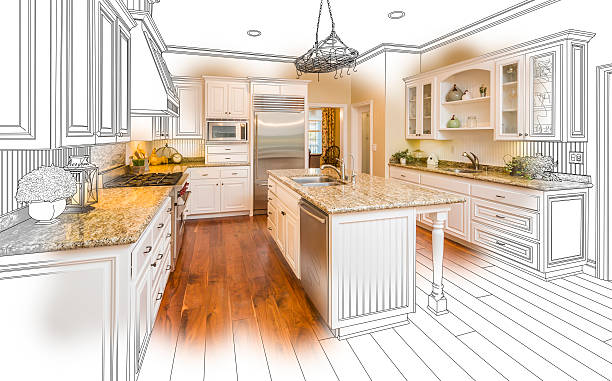
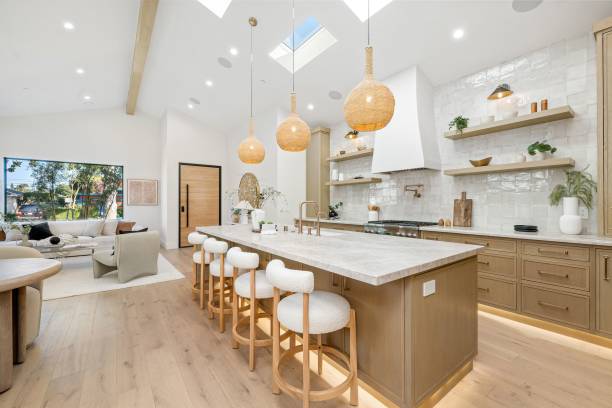
Planning a new kitchen is exciting, but it’s also one of the most significant investments you’ll make in your home. After years of helping homeowners bring their kitchen visions to life, we’ve seen certain mistakes crop up time and again. The good news? Most of these pitfalls are entirely avoidable with proper planning and expert guidance. Here’s what you need to know before you start your kitchen renovation.
Mistake 1: Ignoring the Work Triangle
The kitchen work triangle, the relationship between your sink, hob, and fridge, remains a fundamental principle of good kitchen design. Many homeowners get so caught up in aesthetics that they forget about functionality. If these three key areas are too far apart, you’ll waste time and energy moving between them. Too close together, and your kitchen will feel cramped and inefficient.
Aim for a total triangle perimeter of between 4 and 8 metres, with no single leg shorter than 1.2 metres or longer than 2.7 metres. This creates an efficient workspace that makes cooking a pleasure rather than a chore.
Mistake 2: Insufficient Storage Planning
“I wish I had less storage” is something no homeowner has ever said. One of the most common regrets we hear is not incorporating enough storage space. People often underestimate how much they need to store, from everyday crockery and pans to small appliances, cleaning supplies, and food items.
Think beyond base and wall units. Consider drawer systems, pull out larders, corner solutions like carousels or magic corners, and tall units that maximise vertical space. Internal drawer organisers and cutlery inserts keep everything tidy and accessible. Don’t forget about awkward spaces. There are clever solutions for almost every nook and cranny in your kitchen.
Mistake 3: Poor Lighting Choices
Relying on a single ceiling light is one of the biggest mistakes in kitchen design. Kitchens require layered lighting to be truly functional. You need task lighting for food preparation areas, ambient lighting for overall illumination, and accent lighting to highlight features and create atmosphere.
Under cabinet lighting is essential for worktop tasks. Plinth lights add a contemporary touch whilst improving safety at night. Pendant lights over islands or dining areas provide both illumination and visual interest. Consider dimmer switches to adjust lighting levels for different times of day and activities.
Mistake 4: Choosing Style Over Practicality
It’s easy to fall in love with a beautiful kitchen in a magazine or showroom, but will it work for your lifestyle? Glossy handleless units look stunning but show every fingerprint, particularly challenging if you have young children. Open shelving creates a lovely display but requires constant tidying and dusting.
Similarly, whilst that dramatic dark worktop might look incredible, it may show water marks and require more maintenance than you’re prepared for. When making decisions about kitchen design, think honestly about how you live and how much time you’re willing to spend on upkeep.
Mistake 5: Inadequate Worktop Space
Running out of worktop space when you’re trying to prepare a meal is frustrating. Many people don’t allocate enough clear worktop area, particularly around key zones like the hob and sink. You need landing space for hot pans, room to chop vegetables, and somewhere to place ingredients whilst cooking.
As a general rule, aim for at least 400mm of worktop space on either side of your hob and 900mm on at least one side of your sink. If you have the room, a kitchen island provides valuable additional workspace and can serve multiple functions.
Mistake 6: Forgetting About Ventilation
Adequate ventilation is crucial but often overlooked until it’s too late. A good extractor hood removes cooking odours, steam, and grease, protecting your kitchen from damage and keeping the air fresh. The extractor should be at least as wide as your hob and positioned at the correct height, typically 650mm to 750mm above an electric hob or 750mm to 900mm above a gas hob.
Consider extraction rate carefully. As a minimum, your extractor should be capable of changing the air in your kitchen 10 times per hour. For larger kitchens or if you cook frequently, you’ll need a more powerful system.
Mistake 7: Skimping on Quality for Key Elements
Whilst it’s sensible to have a budget, cutting corners on certain elements often proves a false economy. Cabinet hinges, drawer runners, and handles get used multiple times every day. Cheap versions will wear out quickly, leading to frustration and replacement costs.
Similarly, your worktop is a significant visual element and takes considerable wear. Investing in quality materials and professional installation ensures your kitchen looks good and functions well for years to come. It’s better to simplify your design and invest in quality than to have elaborate features that don’t last.
Mistake 8: Neglecting Bin and Recycling Storage
Waste management is essential but rarely glamorous. Many people leave bin planning until the last minute, resulting in unsightly bins cluttering the floor or inadequate recycling facilities. Modern integrated waste solutions keep bins hidden away but easily accessible.
Pull out bin units fit neatly into base cabinets, often with multiple compartments for different types of waste and recycling. Consider your household’s needs. A family will generate more waste than a couple, and if you’re committed to recycling, you’ll need space for multiple bins.
Mistake 9: Incorrect Appliance Placement
Appliance positioning affects both functionality and safety. Placing your oven next to the fridge forces the fridge to work harder to maintain temperature. Positioning the dishwasher far from the sink means more plumbing work and potential issues. A hob placed under a window creates safety concerns and makes installing an extractor more complicated.
Think about how you’ll use appliances. The dishwasher should be near the sink for easy plumbing and close to where you store dishes for convenient unloading. The fridge should be easily accessible but not in the main cooking zone where it will be constantly opened during meal preparation.
Mistake 10: Not Planning for Enough Plug Sockets
In today’s kitchens, we use more electrical appliances than ever. Kettles, toasters, coffee machines, food processors, phone chargers, and more all need power. Not having enough sockets, or having them in the wrong places, is a common frustration.
Building regulations require sockets to be positioned sensibly, but think about your specific needs. Where will you use your mixer? Do you want sockets inside cupboards for charging devices? Would you benefit from pop up sockets in an island? Plan socket positions early, as adding them later is disruptive and expensive.
Getting It Right
The key to avoiding these mistakes is thorough planning and seeking expert advice. Visit showrooms where you can see kitchens in three dimensions, touch materials, and test mechanisms. Speak with experienced designers who can guide you through the process and help you make informed decisions.
Professional kitchen design services take the stress out of planning, ensuring you consider all the practical elements whilst creating a space that reflects your style. A well designed kitchen enhances your daily life and adds significant value to your property, making it an investment worth getting right.
Take your time, do your research, and don’t be afraid to ask questions. Your kitchen should work beautifully for years to come, and avoiding these common mistakes will help ensure it does exactly that.