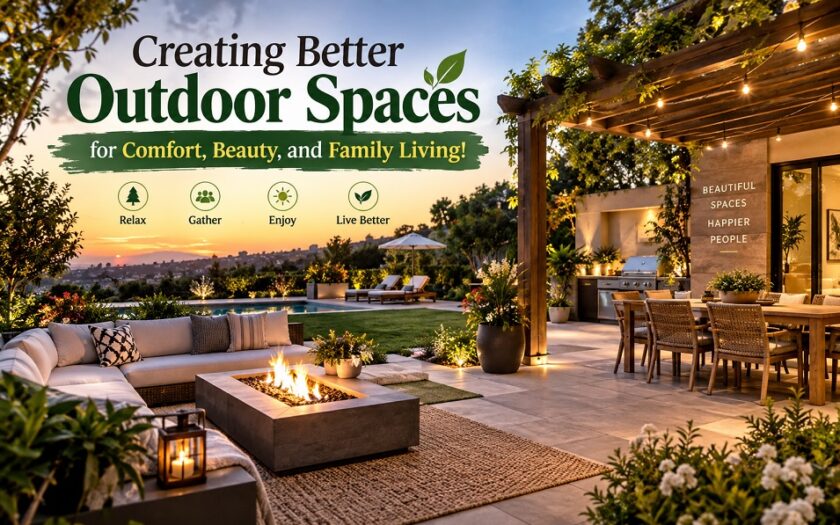
Outdoor living has evolved far beyond a patch of grass and a folding chair. Homeowners across the Greater Toronto Area are now treating their yards as extensions of their homes, and few professionals understand this shift better than Christopher Dardarian, founder of Stema Gardens. His design philosophy centers on blending horticultural richness with architectural precision, creating spaces that feel both natural and intentional. Rather than treating landscaping as an afterthought, he approaches every property as an opportunity to extend a family’s living space outward.
This shift in mindset has changed how backyards are planned from the very first consultation. Instead of starting with materials or plants, the process begins with how a family actually lives, entertains, and relaxes outdoors. That foundation shapes everything from pathway placement to seating orientation. The result is a yard that supports real daily use rather than just looking good in photographs.
The Philosophy Behind Thoughtful Design
Good landscape design is never just decoration; it is problem-solving disguised as beauty. A well-designed outdoor space accounts for sunlight patterns, drainage, privacy needs, and how a family moves through their property during different seasons. Every element, from a stone pathway to a shade structure, should serve a functional purpose while contributing to the overall visual harmony of the space.
This is where the New American Garden style becomes relevant, drawing inspiration from naturalistic plantings paired with clean architectural lines. It rejects overly manicured, artificial-looking gardens in favor of designs that increase biodiversity while still maintaining strong curb appeal. Native plants, layered textures, and seasonal variation all play a role in keeping a garden alive and interesting throughout the year, not just during peak bloom.
Swimming Pools as Lifestyle Centerpieces
A swimming pool is rarely just a pool anymore. Modern outdoor projects treat pools as the visual and functional anchor of a backyard, surrounded by patios, cabanas, and lighting that extend usability into the evening hours. When integrated thoughtfully, a pool becomes a gathering point for family gatherings, quiet mornings, and everything in between.
Successful pool design requires careful coordination between construction, landscaping, and lighting teams so the final result feels cohesive rather than assembled piece by piece. Poolside plantings need to tolerate splash zones and chlorine exposure, while hardscaping must balance slip resistance with aesthetic appeal. When these details are handled correctly, a pool area transitions seamlessly from a daytime swim spot to an evening entertaining space.
Hardscaping That Balances Form and Function
Patios, retaining walls, and pathways form the structural backbone of any outdoor space, and getting them right requires more than picking attractive materials. Grading, drainage, and load-bearing considerations all influence how long a hardscape feature will last and how well it performs through freeze-thaw cycles common in Ontario winters. Skipping these technical steps often leads to cracking, shifting, or pooling water within just a few seasons.
Beyond durability, hardscaping sets the tone for how a space feels underfoot and visually. Natural stone offers texture and warmth, while poured concrete or pavers can create cleaner, more contemporary lines depending on the home’s architecture. The best outdoor designs use hardscaping to define zones, separating a dining area from a lounge space or a garden path from an open lawn, without needing walls or fences to do it.
Lighting Design for Extended Living
Outdoor lighting transforms a backyard from a daytime-only space into a functional living area that works around the clock. Strategic lighting placement highlights architectural features, illuminates walkways for safety, and creates ambiance for evening gatherings without overwhelming the natural landscape. Layered lighting, combining path lights, uplighting on trees, and softer accent fixtures, tends to produce the most balanced results.
The technical side of lighting design matters just as much as the creative side. Voltage drop, fixture placement, and wiring routes need to be planned before construction begins, not added as an afterthought once hardscaping is complete. When lighting is integrated early into the design process, it becomes a seamless part of the landscape rather than a collection of fixtures scattered across the yard.
Cabanas, Pool Houses, and Outdoor Structures
As outdoor spaces take on more year-round functionality, structures like cabanas and pool houses have become increasingly popular additions. These structures provide shade, storage, and changing space while adding architectural interest that complements the surrounding garden and hardscape. A well-placed cabana can also serve as a visual anchor, drawing the eye toward a specific area of the yard.
Design choices for these structures typically echo the architectural language of the main house, using matching materials or complementary rooflines to create visual continuity. Functionality still comes first, though, with considerations like ventilation, storage capacity, and proximity to the pool or kitchen area shaping the final layout. When done well, these structures extend usable living space without competing with the garden for attention.
Garden Styles That Reflect Personality
No two families use their outdoor space the same way, and garden style should reflect that individuality rather than following a one-size-fits-all template. Some homeowners prefer structured, formal plantings with symmetrical layouts, while others lean toward looser, naturalistic gardens that mimic wild landscapes. Christopher Dardarian has built much of his design reputation around this second approach, favoring biodiversity-rich plantings that still maintain a strong sense of visual order.
Choosing the right garden style also depends heavily on maintenance expectations and climate realities. A garden that looks stunning in a magazine photo but requires constant upkeep will quickly become a source of frustration rather than enjoyment. Selecting resilient, regionally appropriate plants ensures the garden continues to thrive with reasonable care, adapting well to Ontario’s seasonal shifts without demanding constant intervention.
The Design-Build Advantage
Managing a landscaping project through a single design-build firm rather than juggling separate designers, contractors, and suppliers significantly reduces friction throughout the process. When one team handles everything from initial consultation through final installation, communication gaps shrink and design intent stays intact from concept to completion. This approach also allows for more accurate budgeting since the same team pricing the design is also responsible for building it.
Permitting and project management represent two areas where design-build firms provide particular value, since navigating municipal requirements can quickly become a bottleneck for homeowners working independently. A firm that manages consultation, design, permitting, budgeting, and construction under one roof removes much of the coordination burden from the homeowner. That end-to-end accountability tends to produce smoother timelines and fewer costly surprises mid-project.
From Finance to Landscape Design
Career transitions into landscape design are not always linear, and that varied background often becomes a strength rather than a limitation. Before entering the landscaping industry, Christopher Dardarian worked in construction finance as a surety bond broker, an experience that gave him firsthand insight into budgeting, risk management, and how construction projects are financially structured. That financial literacy now informs how he approaches project budgeting and client expectations at Stema Gardens.
Founded in 2021 in Etobicoke, Stema Gardens grew directly out of these accumulated lessons from finance, construction, and horticulture. Rather than treating landscape design as purely an artistic pursuit, this background encourages a more grounded approach that balances creative vision with practical cost management. Clients benefit from a designer who understands both the aesthetic goals and the financial realities of large-scale outdoor renovations.
Why Local Expertise Matters in the GTA
Landscaping success depends heavily on understanding local soil conditions, climate patterns, and municipal regulations, all of which vary significantly even within a single metropolitan region. A designer working specifically within the Greater Toronto Area develops an intimate understanding of which plants thrive in the region’s clay-heavy soils and how to design drainage systems that handle spring thaw and heavy summer storms. This localized knowledge often makes the difference between a garden that flourishes and one that struggles within its first year.
Working with a Toronto-based firm also means faster response times for consultations, site visits, and ongoing maintenance support once a project is complete. Local firms tend to have established relationships with regional suppliers and subcontractors, which can streamline material sourcing and reduce project delays. For homeowners in Etobicoke and across the GTA, this regional focus translates into designs that are not just beautiful on paper but genuinely built for the environment they live in.
Building Outdoor Spaces That Last
A truly successful outdoor renovation is judged not by how it looks on completion day, but by how well it holds up five or ten years later. Durable materials, proper drainage planning, and plant selections suited to long-term growth patterns all contribute to a landscape that ages gracefully rather than requiring constant rework. This long-term thinking separates lasting outdoor investments from short-lived cosmetic upgrades. Families that invest in comprehensive, well-planned outdoor spaces typically find that the return goes beyond property value, extending into daily quality of life and how much time they actually spend outside. A backyard designed around real usage patterns becomes a default gathering spot rather than an underused corner of the property. That shift, from an overlooked yard to a genuinely lived-in space, represents the core purpose behind thoughtful, comfort-focused outdoor design.