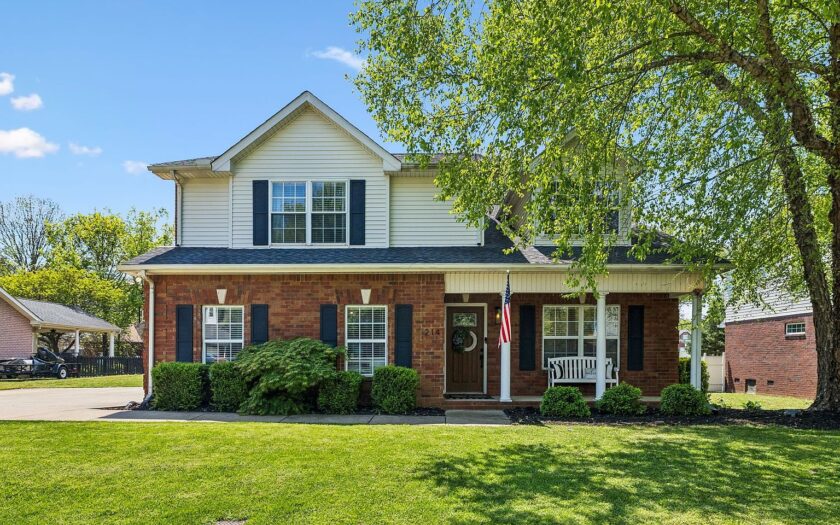
When preparing for listing your Murfreesboro property, making the right improvements can help your home stand out and potentially attract stronger offers. Two major renovation options homeowners often consider are finishing an unfinished basement or adding new living space through a home addition. Both can improve functionality and appeal, but they involve very different costs, timelines, and potential returns.
Before investing in either project, it is important to understand how each renovation can affect your home’s value and whether it makes sense for your neighborhood, property layout, and future plans.
Understanding the Difference Between a Basement Finish and a Home Addition
A finished basement converts existing lower-level space into usable living space. Depending on the home’s design, the finished area might become a family room, entertainment space, home office, guest area, gym, or additional bedroom.
A home addition, on the other hand, expands the physical footprint of the house. It may involve adding a bedroom, bathroom, family room, kitchen extension, sunroom, or another dedicated living area.
The key difference is that a basement renovation works with space that already exists, while an addition creates entirely new square footage.
The Potential ROI of a Finished Basement
Finishing a basement can be an attractive renovation because homeowners are utilizing existing space rather than constructing an entirely new section of the house.
The project may include insulation, drywall, flooring, lighting, electrical work, painting, and improvements to heating and cooling. Depending on the basement’s condition, additional work may be necessary for moisture control, windows, plumbing, or egress requirements.
One of the biggest advantages is flexibility. A finished basement can serve several purposes without dramatically changing the home’s exterior.
For example, a finished basement could provide:
A spacious family entertainment area
A home office
A children’s activity room
A guest space
A fitness area
A recreation room
Additional storage with organized living space
These features can make the property more attractive to buyers who want additional usable space without purchasing a significantly larger home.
However, homeowners should avoid assuming that every dollar spent on a basement will automatically translate into an equal increase in resale value. The quality of the renovation, local buyer preferences, basement layout, ceiling height, natural light, and overall condition can all influence its contribution to the property’s appeal.
The Potential ROI of a Home Addition
A home addition can provide substantial benefits because it permanently increases the home’s footprint. This can be particularly valuable when the existing layout is too small for the needs of the household.
For example, a carefully designed addition could create:
An additional bedroom
A larger primary suite
A new bathroom
A larger kitchen
A dedicated home office
A family room
A sunroom or enclosed outdoor living area
Because additions can create highly functional spaces, they may appeal to buyers looking for specific features.
However, additions typically require a larger investment than finishing an existing basement. Construction may involve architectural planning, foundation work, framing, roofing, exterior finishes, electrical systems, plumbing, HVAC modifications, permits, and landscaping adjustments.
The cost can also vary significantly depending on the size and complexity of the project.
For that reason, homeowners should carefully evaluate the potential value before beginning construction.
Which Renovation Makes More Sense for Murfreesboro Homes?
There is no universal answer to whether a basement finish or home addition provides the better return. The right choice depends on the property and what buyers in the area are looking for.
If the home already has a large unfinished basement with good ceiling height, suitable access, and potential for comfortable living space, finishing it may be a practical way to improve the property.
A home addition may make more sense when the existing house lacks an important feature that buyers commonly seek, such as an additional bedroom, bathroom, or larger living area.
The surrounding neighborhood should also be considered. A major addition that makes one property significantly larger than comparable homes may not necessarily produce a proportional increase in resale value.
Think About the Cost Per Square Foot
One useful way to compare these projects is to examine the investment required to create additional usable space.
A basement renovation generally works within the home’s existing structure. This can reduce the amount of structural construction required compared with building an addition.
An addition usually involves more extensive construction because the project expands beyond the original walls.
Before choosing a project, homeowners should obtain realistic estimates and compare the expected improvement in marketability with the total renovation cost.
This is particularly important if listing your Murfreesboro property is the primary goal. A renovation should support the home’s overall market position rather than simply increase the amount of money invested in it.
Don’t Overlook Functionality and Design
ROI is not only about square footage. How buyers experience the space can be equally important.
A poorly finished basement with low-quality materials, inadequate lighting, moisture concerns, or an awkward layout may not create the same appeal as a professionally designed living area.
Likewise, an addition that looks disconnected from the original house can reduce its visual appeal.
Consistency matters. Flooring, paint colors, fixtures, trim, lighting, and architectural details should complement the existing home.
For a basement, natural light and comfortable access can make a particularly noticeable difference. For an addition, exterior design and integration with the existing floor plan are critical.
Consider Buyer Appeal Before Renovating
If selling is on your horizon, think about what improvements are likely to matter to prospective buyers.
Some buyers may place significant value on extra bedrooms and bathrooms. Others may prefer flexible recreational space, a home office, or a large family room.
Instead of choosing a renovation simply because it adds square footage, consider how the finished space will actually be used.
A flexible room can sometimes appeal to a wider range of buyers because it can function as an office, playroom, guest area, or entertainment space depending on the household.
Get Professional Advice Before Making a Major Investment
Before committing to a major renovation, speak with qualified contractors and a local real estate professional who understands the Murfreesboro market.
A contractor can provide an estimate of construction costs, while a real estate professional can offer insight into comparable homes and features that buyers are currently responding to.
This combination can help homeowners determine whether a basement renovation or addition makes financial sense.
If you are already considering listing your Murfreesboro property, you may also want to compare the expected sale value of the home before and after the renovation. In some situations, smaller improvements such as updated paint, landscaping, lighting, repairs, or strategic kitchen and bathroom updates may provide a more practical path to improving buyer appeal.
Finished Basement or Addition: Focus on the Right Improvement
Both finished basements and home additions can improve a property, but neither should automatically be considered the better investment.
A finished basement can make excellent use of existing space and may provide flexible living areas without changing the home’s footprint. An addition can create entirely new space and may be especially useful when a home needs another bedroom, bathroom, or larger primary living area.
The best decision depends on construction costs, property characteristics, neighborhood expectations, buyer demand, and your expected timeline.
If selling is your ultimate goal, focus on improvements that make the property more functional, attractive, and competitive with comparable homes. Rather than renovating simply to add square footage, consider what will provide meaningful value to the next homeowner.
For homeowners preparing for listing your Murfreesboro property, understanding the local market before starting a major renovation can help prevent unnecessary spending and support a more strategic selling plan.